Connecting a modern toilet flange to an old cast iron pipe requires patience, careful measurement, and respect for the existing drain system. Many homes still have cast iron beneath the bathroom floor, where corrosion, uneven cuts, and limited working space can complicate a seemingly simple repair. If you are researching how to connect toilet flange to cast iron pipe, begin by identifying the pipe’s inside diameter, outside diameter, and remaining wall strength.
This guide presents seven practical connection methods, including compression flanges, no-hub couplings, replacement sections, and mechanical repair rings. Each option has different installation requirements. Some work well when the cast iron hub is intact. Others are better when the pipe has been cut flush with the floor. A properly supported flange should sit level on the finished floor, with secure fasteners entering solid material. Small errors can cause rocking, leaks, or damaged wax seals.
Measure twice. Cut once.
From hands-on plumbing experience, the most reliable choice depends on the pipe condition, available clearance, and local plumbing requirements. A clean pipe surface matters more than many beginners expect. Rust flakes or old sealant can prevent a compression gasket from seating evenly. Professional plumbers also inspect nearby joints before closing the floor, because repairing one weak connection may reveal another. This article explains the strengths, limitations, and installation considerations of all seven methods, helping you choose a durable connection instead of relying on a temporary-looking fix. Some situations remain uncertain, and that is worth acknowledging. If the pipe is badly cracked, unstable, or inaccessible, consult a qualified plumber before proceeding.
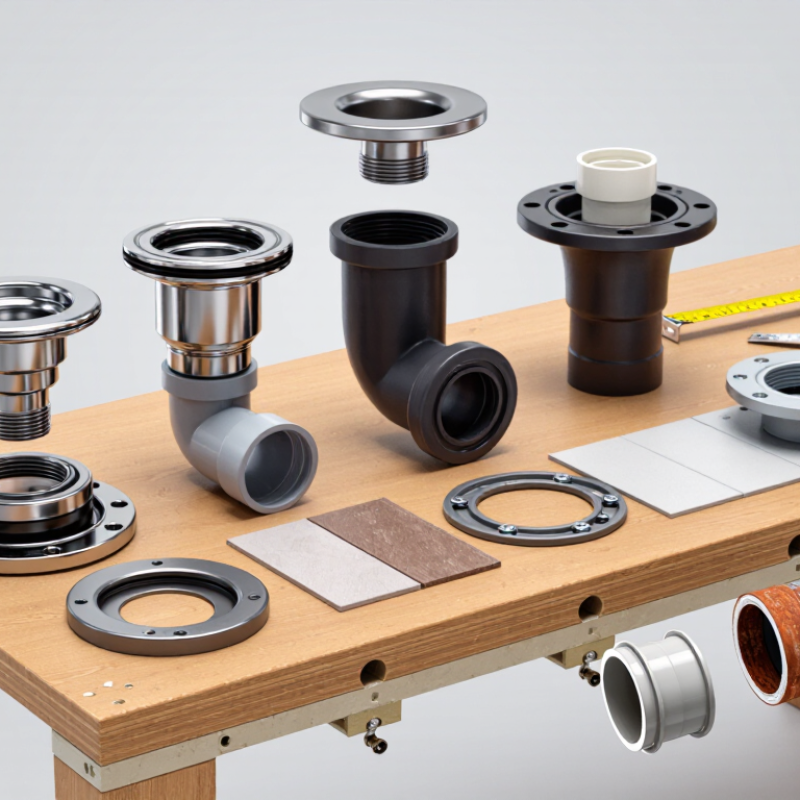
Assess the cast iron before choosing a toilet flange. Look for a bell-shaped hub, a plain no-hub section, deep rust, cracks, or a soft floor around the opening. A magnet and bright inspection light help reveal hidden damage. Measure the internal diameter and the finished floor height, not just the visible pipe.
For a sound hub-and-spigot pipe, use a flange designed for a gasketed connection. An intact no-hub section usually needs a properly sized flange and a shielded coupling. An inside-fit flange can reduce the drain opening, while an outside-fit flange may require more clearance around the pipe.
ASTM C1277 covers shielded couplings for cast iron soil pipe, and ASTM C564 covers rubber gaskets used with cast iron systems. These standards matter when the old pipe looks serviceable but feels brittle.
EPA WaterSense reports that household leaks waste nearly 1 trillion gallons of water annually across the United States. A loose flange may not cause that entire loss, but it can send water into subflooring unnoticed.
Measure twice. I have seen installers choose a flange by pipe diameter alone, then discover the finished floor sits too high. Check bolt-slot alignment, flange support, gasket compression, and the floor’s stiffness before fastening. If the hub is cracked or badly corroded, replacement may be safer than forcing a new flange into it.
Look for a bell-shaped hub, a plain pipe section, deep rust, cracks, or a soft floor. Use a bright light and magnet. Measure the internal diameter and finished floor height. The visible pipe size can mislead you.
Use a flange designed for a gasketed connection. The gasket must match the pipe and compress evenly. Check the flange instructions carefully. Sizes are not interchangeable.
It works when the pipe is solid but slightly low, uneven, or damaged at its rim. The flange fits inside the pipe. Its gasket should sit below the pipe edge. The mounting ring must rest flat on the finished floor.
Use it around a sound pipe with enough height above the finished floor. It helps when the old hub is hidden or difficult to access. Measure the pipe’s outside diameter precisely. A few millimeters can decide whether the seal holds.
Remove the toilet, wax, rust flakes, and old sealant. A wire brush and vacuum can expose clean metal. The pipe must stay stable when pressed. If it moves, repair the drain support before continuing.
Tighten both sides gradually and alternate between them. Use a hand tool. Do not overtighten. Excess force can split old cast iron or distort the gasket.
No. Silicone cannot replace correct sizing, compression, or floor support. The flange should sit level and hold the toilet bolts firmly. Anchor it through solid flooring, not only tile. I have sometimes trusted sealant too much.
Install a new toilet seal and tighten the nuts gently. Flush several times while checking the joint with dry tissue. The tissue should remain completely dry. Recheck after 24 hours, because floor movement may reveal a delayed leak.
Do not force a flange into a weakened pipe. Severe corrosion may prevent reliable gasket compression. A cracked hub can fail suddenly. Have a licensed plumber inspect the connection.
Learning how to connect toilet flange to cast iron pipe begins with inspecting the existing pipe for cracks, corrosion, movement, and proper height. Choose a flange designed for cast iron and confirm whether an internal or external compression style best matches the pipe’s condition and available space. An internal compression flange can be installed inside the pipe without removing it, while an external compression flange fits around the pipe and may be useful when the interior is damaged or obstructed.
If the old flange must be replaced, a shielded no-hub coupling can join a new flange connection to the existing cast iron section. Whichever method you use, keep the flange level, secure it firmly to the floor, and create a watertight seal with the appropriate gasket. Finally, check that the toilet bolts align correctly, tighten connections evenly, and test for leaks by flushing several times. Proper support and careful alignment help prevent rocking, odors, and future water damage.

 EZ STEEL